Diabetics and Nail Fungus: Why the Risk Is Higher and What to Do

People with diabetes face a significantly elevated risk of nail fungal infections, and the consequences of leaving them untreated are more serious than in the general population. This guide explains the biology behind that elevated risk and what treatment considerations apply specifically to diabetic patients.

⚠️ Always consult your doctor or podiatrist before treating nail fungus if you have diabetes.
Learn About DermaFix
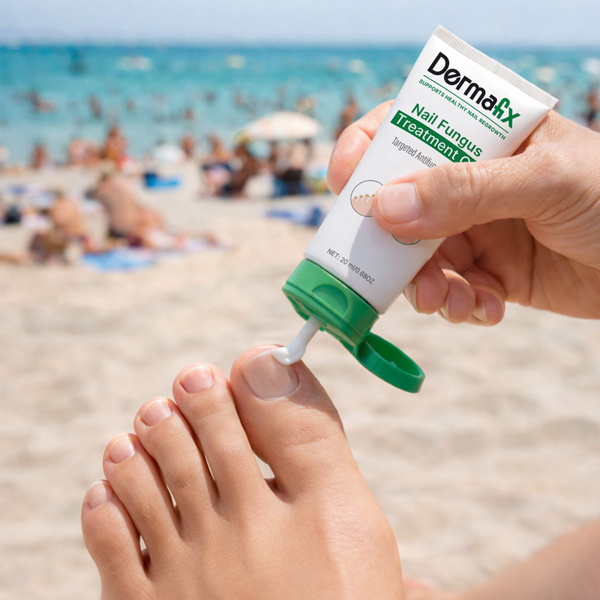
Nail fungus treatment for diabetics

Why Diabetes Increases Nail Fungus Risk

Diabetes creates several physiological conditions that combine to make nail fungal infections both more likely to occur and harder to eliminate.

🩸

Elevated Blood Glucose Feeds Fungi

Fungi feed on sugars. Higher glucose levels in the skin and nail bed tissue create a nutritionally richer environment for fungi to colonise and multiply. This directly increases both infection risk and the speed at which infections can spread.

🫁

Compromised Immune Response

Diabetes impairs several aspects of immune function, including the activity of neutrophils and macrophages, the white blood cells responsible for fighting fungal invasion. A less effective immune response means the body is slower to detect and contain new infections.

🦵

Reduced Peripheral Circulation

Diabetic peripheral vascular disease reduces blood flow to the feet and toes. Poor circulation means fewer immune cells and less oxygen reaching the nail bed, creating a site that is both vulnerable to infection and slow to heal.

🦷

Neuropathy Creates Unnoticed Injuries

Diabetic peripheral neuropathy reduces sensation in the feet. Small nail cracks, cuts, or skin breaks that would normally prompt attention go unnoticed, leaving entry points for fungal and bacterial organisms that establish without early intervention.

Why Nail Fungus Is More Serious for Diabetics

In healthy adults, nail fungus is largely a cosmetic and comfort concern. In people with diabetes, the same infection carries a different risk profile:

1

Thickened Nails Create Pressure Injuries

Fungal infections cause nail thickening and distortion. In people with reduced foot sensation, a thick, malformed nail inside footwear can create sustained pressure that leads to ulceration, a serious and potentially limb-threatening complication in diabetics.

2

Fungal Infections Can Precede Bacterial Ones

Nail fungus damages the nail and surrounding skin barrier. This creates open pathways for secondary bacterial infections. In a diabetic foot, a bacterial skin infection (cellulitis) can spread rapidly and is significantly harder to treat.

3

Fungal Skin Infections Can Follow

Athlete's foot (tinea pedis) often accompanies nail fungus. In a diabetic with compromised skin integrity and circulation, fungal skin infections are more difficult to clear and increase overall foot infection risk.

4

Slower and More Complex Healing

All healing processes are slower in diabetic tissue. Even when treatment is initiated and working, the nail may take considerably longer to clear compared to a non-diabetic individual on the same regimen.

🚨

Urgent warning: If you are diabetic and notice your nail fungus is accompanied by redness spreading beyond the nail, warmth, swelling, pain in the foot, or any open skin break, seek medical attention promptly. These may indicate a secondary infection requiring immediate treatment.

Treatment Considerations for Diabetic Patients

Treatment for nail fungus in diabetics requires more careful consideration than in the general population. Here is an honest overview of the main options and what diabetic patients should know about each.

Oral Antifungals

Prescription oral antifungals (terbinafine, itraconazole) are often the most effective option for moderate to severe nail fungus in diabetics due to their systemic reach. However, they carry hepatotoxicity risk and can interact with medications commonly used by diabetics, including statins and certain hypoglycaemic agents. A prescribing physician must assess suitability individually.

Topical Treatments

Prescription topical lacquers (ciclopirox, amorolfine) and naturally-formulated topical gels present a lower systemic risk profile than oral antifungals. For mild to moderate Stage 1 or 2 infections, a topical approach discussed with a podiatrist is often the preferred starting point. Consistent daily application and professional monitoring are both important.

About DermaFix for diabetics: DermaFix is a naturally-derived topical gel with a gentle ingredient profile. While it does not carry the systemic risks of oral antifungals, diabetic individuals should review the formula with their healthcare provider before use. The formula includes Tea Tree Oil, Emu Oil, Colloidal Silver, Squalane, and Vitamin E, none of which are known systemic risk agents when used topically, but individual circumstances vary.

⚠️

Key recommendation: Do not self-treat nail fungus if you have diabetes without first discussing it with your doctor, podiatrist, or diabetes specialist nurse. This is not a precautionary formality, it is a genuinely important step given the potential complications.

Foot Care Practices That Reduce Nail Fungus Risk for Diabetics

For people with diabetes, a consistent daily foot care routine is one of the most effective tools for reducing nail fungus risk and catching problems early.

Inspect Your Feet Daily

Due to reduced sensation, check the entire foot, between toes, and under the nails visually every day. Early discolouration or changes in nail texture are much easier to address when caught at Stage 1.

Wash and Dry Feet Thoroughly

Wash feet daily and dry carefully, especially between the toes. Moisture trapped between the toes is one of the primary incubation sites for fungal infection.

Keep Nails Trimmed Carefully

Trim nails straight across and not too short to avoid ingrowing. Thick fungal nails can be difficult to cut safely; a podiatrist can perform professional nail debridement if needed.

Wear Moisture-Wicking Socks and Breathable Shoes

Fungal infections thrive in warm, moist, enclosed environments. Breathable footwear and moisture-wicking socks significantly reduce the conditions that allow fungi to establish.

Attend Regular Podiatry Appointments

Regular professional foot care reviews are part of standard diabetes management. Your podiatrist can monitor nail health, perform safe nail care, and identify infection early when it is most treatable.

Talk to Your Doctor First, Then Explore Your Options

If your healthcare provider confirms a topical approach is appropriate for your situation, DermaFix is a naturally-derived gel formulated for daily nail fungus care. Always prioritise professional guidance for diabetic foot health.

View DermaFix Official Pricing
Dr. Emily Rhodes
Dr. Emily Rhodes
Holistic Health Researcher & Wellness Educator

With over 15 years of experience studying natural health solutions, Dr. Rhodes is passionate about helping people take control of their well-being through evidence-based approaches. She emphasises responsible, safe use of natural products, particularly in medically complex populations.

This content is educational only and does not replace medical advice. People with diabetes should always consult their healthcare team regarding nail health decisions.

Diabetes and Nail Fungus: Common Questions

Some topical OTC products with gentle formulas may be appropriate for diabetics with mild nail fungus, but only after consultation with a doctor or podiatrist. The primary concern is not the product itself but ensuring the infection is properly assessed and that any treatment plan includes professional monitoring.
Oral antifungals can be used in diabetic patients but require careful prescriber assessment due to potential interactions with common diabetes medications and the liver monitoring requirements. The decision should always be made by a prescribing physician who knows the patient's full medication list and medical history.
Treatment timelines are generally longer for diabetics due to slower nail growth, reduced circulation, and impaired immune response. What may take 3 to 6 months in a healthy adult could take 6 to 12 months or longer in a person with diabetes. Patience and consistent treatment are especially important.
Yes, nail fungus can spread to other people through shared surfaces, particularly in damp environments like bathrooms and shower floors. Using personal towels, not sharing nail care tools, and wearing flip-flops in shared shower areas reduces transmission risk.
Warning signs requiring prompt medical attention include: redness or warmth spreading beyond the nail, swelling of the toe or foot, pain (especially if you have reduced sensation normally), any open skin break near the nail, or fever. These may indicate a secondary bacterial infection which requires immediate medical care in a diabetic patient.
Yes. Good blood glucose control is one of the most meaningful things a diabetic can do to reduce nail fungus risk. Lower tissue glucose levels reduce the nutritional environment fungi depend on, and better-controlled diabetes is associated with improved immune function and circulation throughout the body.

Medical Disclaimer

This content is for educational and informational purposes only. It is not intended to diagnose, treat, cure, or prevent any disease or medical condition. People with diabetes must consult a qualified healthcare professional before initiating any treatment for nail or foot conditions. The information on this page does not replace clinical advice.

Affiliate Disclosure: This page contains affiliate links. We may earn a commission if you purchase through our links at no additional cost to you.