Nail fungus is far easier to prevent than to treat. Most infections are preventable with consistent daily habits. Whether you have never had nail fungus or are currently clearing an infection and want to avoid recurrence, these 12 practical strategies address the root causes of fungal nail infections.
Already Have Fungus? See DermaFix

One of the most frustrating aspects of nail fungus is its tendency to recur after treatment. Research suggests recurrence rates for onychomycosis can be significant, particularly among adults over 40 who have underlying risk factors such as reduced circulation, slower nail growth, and frequent exposure to public spaces like gyms and swimming pools.
The reason is almost always environmental rather than treatment failure. The same conditions that caused the original infection, persistent moisture, compromised footwear, shared surfaces, and slow nail renewal, remain in place after treatment ends. Prevention requires addressing those conditions directly and maintaining the habits indefinitely, not just during the treatment phase.
Key insight: Many recurrent infections actually come from re-exposure rather than the original fungus surviving treatment. Your environment and daily habits are the ongoing risk factors that prevention targets.
Cotton socks absorb sweat and hold moisture against the foot for hours. Moisture-wicking socks made from wool, bamboo, or technical synthetic fibres keep feet drier throughout the day, removing one of the key conditions fungi need to establish and grow.
Tight, non-breathable shoes create a warm, enclosed, humid environment around the nail. Shoes with breathable uppers and adequate toe room reduce both moisture build-up and the repetitive nail trauma that creates entry points for fungal infection.
Fungal spores survive in footwear long after an active infection clears. Wearing old shoes that contained an active infection is a common and underappreciated source of recurrence. Replacing shoes, or treating them with antifungal spray, reduces this risk significantly.
Wearing the same shoes every day prevents them from fully drying between uses. Alternating between two or more pairs of shoes and allowing each pair to air out for 24 hours between wearings reduces the moisture environment inside the shoe.
Washing feet daily and drying thoroughly, especially between the toes, is the single most impactful hygiene step. Moisture trapped between the toes after bathing is one of the primary sites where both athlete's foot and nail fungus begin.
Gym shower rooms, public swimming pool changing areas, and communal locker rooms are high-density fungal environments. Wearing flip-flops in these areas prevents your feet from direct contact with contaminated surfaces where spores are commonly present.
Antifungal foot powder applied inside shoes after wearing can help maintain a less hospitable environment for fungal spores. This is particularly useful for people who exercise regularly, work in warm environments, or have had a previous fungal infection.
Nail clippers, files, and toe separators are common transmission vectors for nail fungus. Use your own dedicated tools, keep them clean, and disinfect them with alcohol regularly. Never share nail care items, even with household members.
Long nails create more surface area and sub-nail space for fungi to colonise. Trimming nails regularly and cutting straight across rather than curved reduces both nail trauma risk and the exposed area that fungal spores can use as an entry point.
Artificial nails and nail extensions trap moisture and create an enclosed space between the extension and the natural nail, which is an ideal fungal environment. If you are prone to nail fungus, avoiding artificial nail products on at-risk nails is a meaningful prevention step.
Poor peripheral circulation is one of the primary reasons adults over 40 are more susceptible to nail fungus. Regular walking, avoiding prolonged sitting with feet on cold floors, and managing cardiovascular health all support better circulation to the toes and nail bed.
Stopping treatment as soon as the nail looks better is one of the most common causes of recurrence. The fungus may still be present in the nail bed even when the visible nail looks clear. Continue treatment until the entire healthy nail has fully grown out from base to tip.
Once you have completed a course of nail fungus treatment, these steps reduce the risk of the infection returning:
If you have had nail fungus more than twice, consider discussing with a healthcare provider whether an underlying risk factor (circulation, immune function, or diabetes) might be contributing and whether preventive prescription options are appropriate for you.
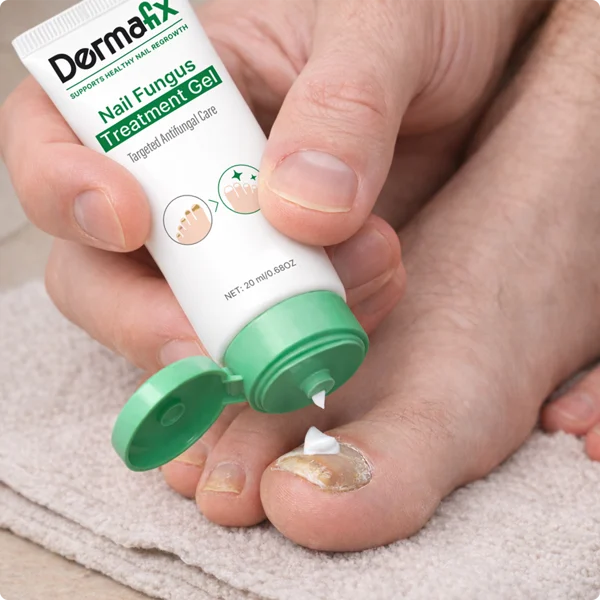
The habits on this page are most effective when combined with active daily treatment. DermaFix is a naturally-derived topical gel designed for once-daily use, with a deep-penetrating formula to support the nail during the treatment phase.
View DermaFix Official PricingThis content is for educational and informational purposes only. Prevention tips are general guidance and not a guarantee against infection. If you have an existing nail fungal infection or underlying health conditions, consult a healthcare professional before beginning any treatment or relying solely on preventive measures.