Guide for Adults 40+ — 2026

Nail Fungus in Older Adults: Why It Gets Worse with Age and What to Do

Nail fungus is not equally distributed across age groups. Adults over 40 are significantly more likely to develop it, more likely to experience persistent infections, and more likely to find it harder to clear. Understanding the biological reasons why helps in choosing the most appropriate treatment approach.

  • Nail fungus prevalence increases sharply after age 40
  • Slower nail growth and reduced circulation are key drivers
  • Oral antifungal risks increase in older adults on other medications
  • Gentle topical treatments with deep penetration are often the preferred first step
See DermaFix: Formulated for 40+ Adults →
Nail fungus treatment for older adults

How Common Is Nail Fungus in Older Adults?

Nail fungus (onychomycosis) becomes dramatically more common with age. This is not simply because of longer exposure time, but because the biological conditions that allow fungal infections to establish and persist change in ways that favour the fungus as we get older.

~10%
General adult population affected
~20%
Adults over 60 affected
~50%
Estimated prevalence in adults over 70

Key finding: Studies consistently show that onychomycosis prevalence roughly doubles with each decade of life after 40. By age 70, some estimates suggest up to half of the population has some degree of nail fungus infection. Age is the single strongest demographic predictor of nail fungus risk.

The Biological Reasons Nail Fungus Worsens with Age

💦

Reduced Peripheral Circulation

As we age, blood flow to the extremities naturally decreases. The toes, being the furthest point from the heart, are particularly affected. Reduced circulation means fewer immune cells reaching the nail bed, less oxygen delivery to nail tissue, and slower removal of cellular waste.

This creates a more hospitable environment for fungal growth and a less capable local immune response to contain it.

🐞

Slower Nail Growth

Toenail growth slows with age. A toenail that grew at 1.5mm/month in a 30-year-old may grow at 0.8–1mm/month in a 65-year-old. This directly extends the timeline for visible clearance of any nail fungus treatment, as improvement is dependent on healthy nail growing out.

Slower growing, thicker nails also present a more significant barrier to topical treatment penetration.

🧠

Age-Related Immune Changes

Immunosenescence, the gradual decline of immune function with age, reduces the body's capacity to mount an effective local response to fungal colonisation in the nail bed. The innate immune response, which is the first line of defence against pathogens, is particularly affected.

This means older adults are not only more likely to develop nail fungus but also less able to limit its spread naturally.

🔨

Nail Structural Changes

Ageing nails undergo structural changes: increased thickness (onychauxis), reduced elasticity, and changes in keratin composition. Thicker nails present a greater barrier to topical treatment penetration, while structural irregularities create more opportunities for fungal entry at the nail edges and folds.

🏓

Greater Lifetime Exposure

Older adults have had more years of cumulative exposure to fungal environments: communal pools and showers, locker rooms, shared footwear, and sports facilities. Fungal spore load on the skin accumulates, and the threshold for infection becomes easier to cross as immune defences naturally weaken.

💌

Common Co-Morbidities

Conditions that directly increase nail fungus risk are more prevalent in older adults: type 2 diabetes (affects 25%+ of adults over 65), peripheral arterial disease, venous insufficiency, and conditions requiring immunosuppressive medication all dramatically increase both infection risk and treatment difficulty.

Why Treatment Choices Matter More in Older Adults

Choosing the right treatment is particularly important in older adults because the balance between efficacy, safety, and practicality shifts. Approaches that carry minimal risk for younger adults can present real concerns in an older population.

Treatment TypeEfficacySuitability for Older AdultsKey Consideration
Deep-penetrating topical gel (DermaFix)Moderate (mild-moderate)Generally appropriatePatience required: slower nail growth extends timeline
Standard OTC topical spraysLimitedSafe but limited efficacySurface only; rarely reaches subungual fungus
Prescription ciclopirox lacquerModerateGenerally safeRequires prescription; slow cure rates
Oral terbinafine (Lamisil)HighUse with cautionLiver function monitoring required; drug interactions with common cardiac and diabetes medications
Oral itraconazoleHighMultiple cautionsSignificant cardiac drug interactions; QT prolongation risk; generally avoided in older adults on multiple medications
Laser treatmentEmergingSafe profileExpensive; limited long-term evidence; not widely covered by insurance
⚠️

Drug interaction note: Oral antifungals, particularly terbinafine and itraconazole, have clinically significant interactions with several medications commonly prescribed to older adults including warfarin, statins, digoxin, and certain antidepressants. Always review your full medication list with a prescribing physician before starting oral antifungal treatment.

Why a Deep-Penetrating Topical May Be the Right First Step

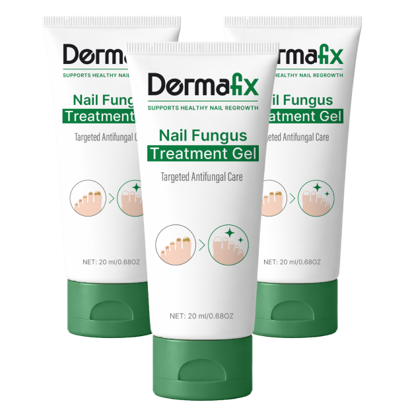
For adults over 40 dealing with mild to moderate nail fungus, a naturally-derived topical gel like DermaFix offers several practical advantages as a starting point before considering prescription options.

💉

No Systemic Drug Interactions

As a topical product applied to the nail, DermaFix does not enter the bloodstream in meaningful quantities and does not carry the drug interaction risks associated with oral antifungals. This is a significant practical advantage for older adults on multiple medications.

🌿

Gentle Ingredient Profile

The naturally-derived formula using Tea Tree Oil, Emu Oil, Squalane, and Vitamin E is designed for gentle daily use. It does not require liver function monitoring or blood tests during the treatment period.

💧

Nourishes Ageing Nail Tissue

The formula's moisturising components (Squalane, Vitamin E, Olive Oil) address the dryness, brittleness, and skin changes that commonly accompany ageing nails alongside fungal infection, supporting the overall nail environment as new healthy growth develops.

📅

Realistic for Long-Term Use

Given that nail growth slows with age and treatment timelines extend to 12+ months in many older adult cases, a safe, gentle daily-use formula is more practical than treatments requiring periodic medical supervision for extended periods.

For older adults with diabetes or circulatory conditions: Nail fungus in these contexts should be assessed by a healthcare professional before self-treating. Fungal infections in diabetic feet carry a higher risk of complications and may require medical management rather than OTC treatment alone.

Try DermaFix Risk-Free →

90-day money-back guarantee. Official website only.

Managing Nail Fungus After 40: Practical Tips

🔥

Set Longer Timeline Expectations

Due to slower nail growth, adults over 60 should expect complete clearance to take 12–18 months, not 6. Setting realistic expectations from the start avoids premature treatment abandonment at the 3-month mark when improvement is still limited.

💕

Prioritise Foot Hygiene

Daily washing and thorough drying of feet, particularly between the toes, reduces fungal load and creates less hospitable conditions. Changing socks daily and wearing breathable footwear are low-cost interventions with real impact.

Trim Nails Carefully

Keep nails trimmed short and straight to reduce the surface area available for fungal colonisation and to improve topical treatment access to the nail free edge. Use clean, dedicated nail clippers and disinfect them after use.

🚲

Rotate Footwear

Wearing the same shoes daily allows moisture to accumulate inside them. Rotating between two or more pairs and using antifungal shoe spray reduces re-exposure risk, particularly important when an active infection is being treated.

Frequently Asked Questions

Multiple age-related changes converge to increase nail fungus risk: reduced peripheral circulation limits immune cell delivery to the nail bed; slower nail growth extends exposure windows; immunosenescence reduces the local immune response; and structural nail changes create more entry points. The result is that prevalence roughly doubles with each decade of life after 40.
Topical treatments are generally the safest first approach, as they avoid the systemic drug interactions and liver monitoring requirements of oral antifungals. For mild-moderate infections, a deep-penetrating topical gel used consistently over several months is a reasonable starting point. Severe cases, or cases in patients with diabetes or circulatory conditions, warrant medical evaluation.
Terbinafine can be used in older adults but requires careful review of your current medications for interactions (particularly warfarin, statins, certain antidepressants) and baseline liver function testing. This decision should always be made with a prescribing physician, not self-administered.
At 65+, expect a longer timeline than younger adults due to slower nail growth. A realistic expectation for complete visible clearance of a moderate toenail infection is 12 to 18 months of consistent daily treatment. Early improvement (skin around the nail) may be visible within 4 to 8 weeks.
Yes, nail fungus in diabetic patients warrants more careful management. Fungal infections can serve as an entry point for bacterial secondary infections, and poor circulation impairs healing. Diabetic patients should consult a podiatrist or physician before self-treating nail fungus.
Recurrence is common and is reduced by: continuing preventive topical application at a reduced frequency after clinical clearance, maintaining foot hygiene, rotating footwear, using antifungal shoe spray, avoiding barefoot exposure in communal wet areas, and treating any skin fungus (athlete's foot) promptly as it can reinfect nails.

Nail Fungus Treatment Designed for Adults 40+

DermaFix uses a gentle, naturally-derived formula with deep-penetrating delivery, making it well-suited for older adults seeking a safe, consistent daily-use option.

Check Official Pricing →
Dr. Emily Rhodes
Dr. Emily Rhodes
Holistic Health Researcher & Wellness Educator

With over 15 years of experience studying natural health solutions, Dr. Rhodes specialises in evaluating naturally-derived topical and supplement formulas for real-world applicability and evidence-based merit.

Her role is educational, not promotional. Her opinions do not replace medical advice.

Medical Disclaimer

The information on this page is for educational purposes only and is not intended to diagnose, treat, cure, or prevent any disease. Always consult a qualified healthcare professional before starting any new treatment. Individual results vary.

DermaFix is a topical cosmetic gel and is not evaluated or approved by the FDA for treatment of any medical condition.

Affiliate Disclosure: This page contains affiliate links. We may earn a commission if you purchase through our links, at no extra cost to you.